
Quick answer: The best dentist tips for autistic children focus on predictability and sensory comfort: choose a patient, autism-friendly dentist, prepare with a social story and photos, visit the office before treatment, book short, quiet appointments at the same time and with the same staff, and bring sensory tools like headphones and sunglasses. The NIH’s National Institute of Dental and Craniofacial Research (NIDCR) recommends gradual desensitization, the tell-show-do approach, and keeping lights out of the child’s eyes.
In this guide
Bright lights overhead, strange tastes, buzzing tools, a stranger’s fingers in your mouth. For many autistic children, a dental visit is a sensory overload that can end in tears or a meltdown before the appointment even starts. With the right preparation, dental care can become manageable and even routine. These dentist tips for autistic children can help.
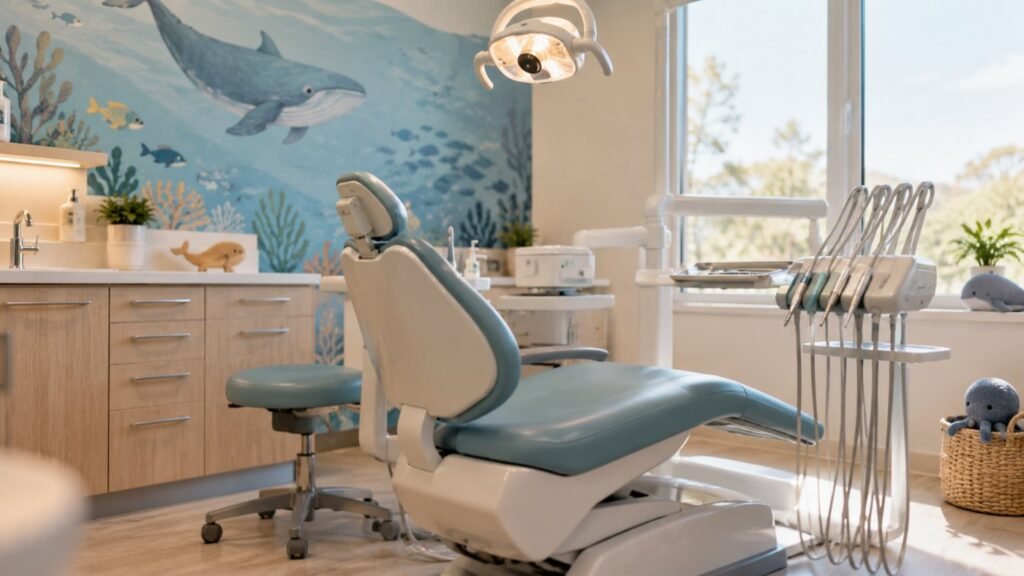
Why the Dentist Is Hard for Autistic Children
- Sensory overload: lights, sounds, smells, tastes, and touch all at once. See our sensory needs guide.
- Unpredictability: new people, new place, unknown steps.
- Communication: hard to say “stop” or “it hurts” with your mouth open.
- Loss of control: lying back while someone works on you.
Key point: Dental anxiety in autistic children is not stubbornness. It is an understandable response to an intense sensory experience. Preparation reduces fear.
Before the Visit
Find the right dentist. Ask for pediatric or special needs dentists experienced with autism. Call ahead and share what helps your child.
Write a social story. Use photos of the actual office and dentist. Our guide to social stories shows how.
Do a practice visit. NIDCR suggests letting the child sit in the dental chair to get familiar with the setting before any treatment.
Book smart. First appointment of the day or a quiet time, so there is less waiting and noise.
The BERMED Dentist Plan
A simple checklist for dental visits.
- B: Build familiarity. Photos, practice visits, and play dentist at home.
- E: Explain each step. Use tell-show-do, as NIDCR recommends.
- R: Reduce sensory input. Sunglasses, headphones, unscented products, lights away from eyes.
- M: Means to say stop. Agree on a hand signal or use an AAC button.
- E: Every visit short. Small, successful visits build trust over time.
- D: Document what works. Ask the office to note strategies in your child’s file.
During the Visit
| Challenge | Try this |
|---|---|
| Bright overhead light | Sunglasses, ask staff to angle the light away |
| Noise of tools | Noise-cancelling headphones, music |
| Tastes and textures | Ask for unflavored or mild options |
| Waiting room stress | Wait in the car until called |
| Fear of the unknown | Count steps aloud, use a visual sequence |

A simple picture sequence of the visit works like visual schedules. Children who use AAC can bring a “stop” or “break” button, see AAC in the classroom.
Do
- Bring a comfort item
- Celebrate small steps, even just sitting in the chair
- Ask for the same staff each time
- Plan something calming afterward
Avoid
- Surprising your child with the appointment
- Forcing treatment during a meltdown
- Long waits in a busy waiting room
- Using the dentist as a threat
If your child becomes overwhelmed, it is okay to stop and try again another day. Learn the signs in meltdown vs tantrum.
Brushing at Home
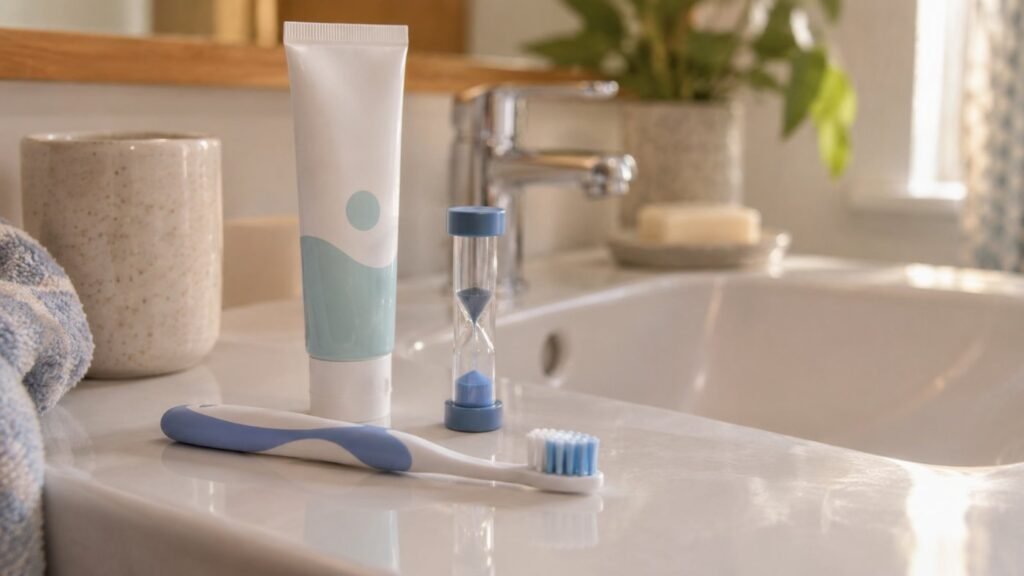
- Same time, same place, same order every day.
- Try soft or electric toothbrushes to see what your child tolerates.
- Use a mild or unflavored toothpaste.
- Use a timer or song to show when brushing ends.
- After treats like Halloween candy, see Halloween with autistic children for candy swap ideas.
Sedation options: For some children, dental work under sedation or general anesthesia may be recommended. Discuss risks and benefits with your dentist and pediatrician.
How can I prepare my autistic child for the dentist?
Use a social story with photos of the office, do a practice visit, book a quiet time, pack sensory tools, and agree on a stop signal.
What is the tell-show-do approach?
The dentist explains a step, shows the tool or demonstrates it, and only then does it. NIDCR recommends this approach for patients with autism.
What if my autistic child refuses to open their mouth?
Stay calm and do not force it. Short, positive visits that build familiarity step by step usually work better over time.
How do I find an autism-friendly dentist?
Look for pediatric or special needs dentists, ask other parents, and call ahead to ask about experience with autistic patients.
How can I make toothbrushing easier at home?
Keep the same routine, try different toothbrushes and mild toothpaste, and use a timer or song to show when brushing ends.
5 Actions to Take This Week
- Call your dentist and share what helps your child.
- Take photos of the office for a social story.
- Pack a sensory kit for the visit.
- Agree on a stop signal with your child.
- Practice a calm brushing routine every night.
Sources

