
Quick answer: Autistic teens and friendship is a topic full of myths. Research reported by The Transmitter shows that most autistic young people want friends and many have them, though their friendships may look different: smaller circles, connection through shared interests, and often deeper ease with other autistic or neurodivergent friends. Adults can help by creating interest-based, low-pressure opportunities, respecting each teen’s social energy, and valuing friendship quality over quantity.
In this guide
Your teen comes home exhausted after school, spends the evening alone, and says they “don’t really have friends.” Or they have one close friend they talk to online for hours. Parents often worry. The truth about autistic teens and friendship is more hopeful than the old stereotypes suggest.
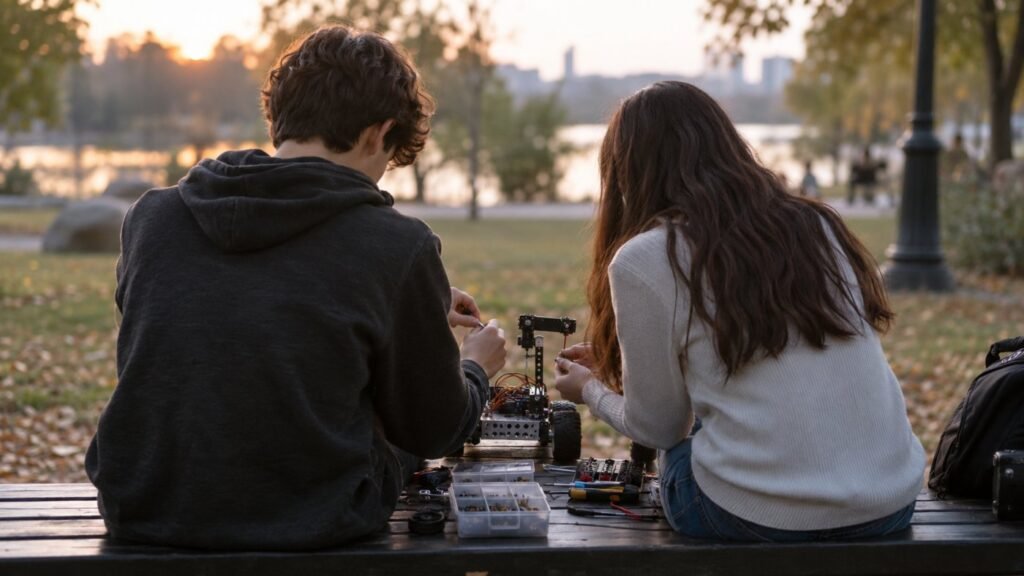
Myths About Autistic Teens and Friendship
| Myth | Reality |
|---|---|
| Autistic people don’t want friends | Most do want friendships |
| More friends is better | A few close friends can be deeply meaningful |
| They need to act neurotypical to fit in | Masking is exhausting; many connect better with other neurodivergent people |
| Online friends don’t count | Online friendships can be real and supportive |
What Autistic Friendship Can Look Like
- Built around interests: trains, games, art, coding, anime. Shared passion is the glue.
- Parallel time: being together while doing separate things is still connection.
- Honest and direct: less small talk, more real conversation.
- Neurodivergent friends: many autistic people describe not having to explain themselves with other autistic friends.
Key point: Friendship success is not about how many friends a teen has. It is about whether they have at least one relationship where they feel accepted as themselves.

Free resource
Healthy Friendships Workbook for Teens
Activities for communication, boundaries, conflict resolution and positive peers.
Why the Teen Years Can Be Harder
Social rules get more complex in adolescence: group chats, unspoken hierarchies, dating, and sarcasm. Many autistic teens mask heavily to fit in, which drains energy fast. Read autistic masking. The Transmitter also reports that autistic girls often have one or two close friends but may experience conflict as catastrophic. Teens with a PDA profile have their own needs, see PDA in teenagers.
The BERMED Friendship Framework
How adults can support autistic teens and friendship.
- B: Begin with interests. Find clubs, groups, and events built around what your teen loves.
- E: Energy respect. Social time costs energy. Plan recovery time.
- R: Real acceptance. Do not push neurotypical social norms as the only right way.
- M: Model and explain. Talk through social situations openly when your teen wants to.
- E: Encourage neurodivergent peers. Groups for autistic or ND teens can feel like coming home.
- D: Define success together. Ask your teen what kind of friendship they want.
Ways to Help
Structured, interest-based groups: robotics, chess, drama, art, gaming clubs, or library groups.
Low-pressure hangouts: invite one friend for a clear activity with a set end time.
Scripts and previews: help your teen prepare for new social situations if they want to. Social stories can work for teens too.
Teach safety and boundaries: how to spot people who are unkind or exploitative.
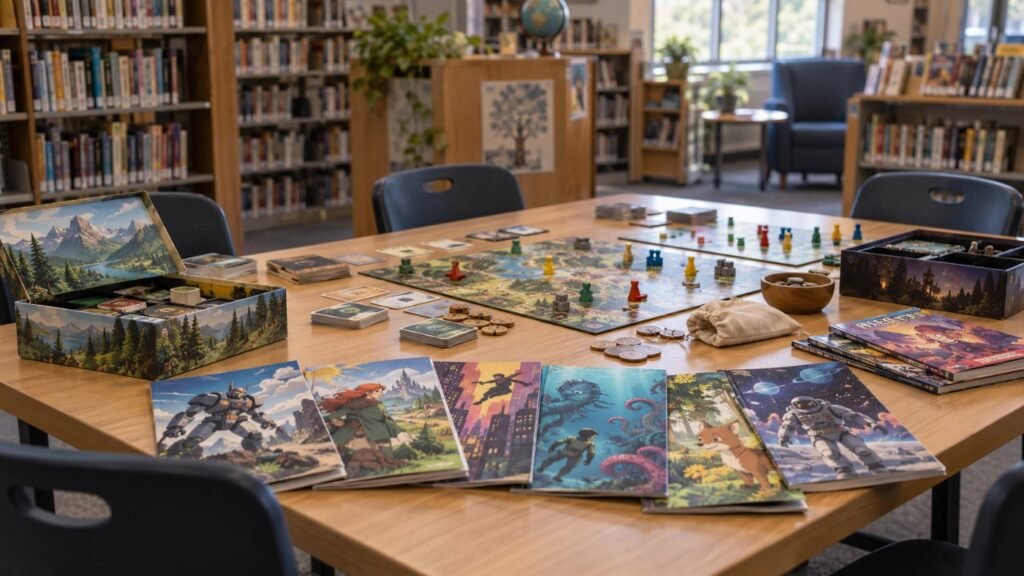
Do
- Value one good friend as a real success
- Support interest-based activities
- Respect alone time
- Listen without fixing
Avoid
- Forcing large social events
- Comparing to siblings or peers
- Dismissing online friends
- Social skills training focused only on masking
Online Friendships
For many autistic teens, online spaces remove sensory overload and give time to think before responding. Gaming, fan communities, and creative platforms can lead to lasting friendships. Talk openly about online safety and privacy, and see our guide to autism and screen time for balance.

As teens grow, friendship and social skills also matter for work and independence, which is why they belong in transition planning in the IEP.
Watch for loneliness and bullying: If your teen seems isolated and unhappy, is being bullied, or shows signs of low mood, talk with them, their school, and a doctor. Support makes a difference.
Do autistic teens want friends?
Yes. Research shows most autistic young people want friendships, and many have them, though their friendships may look different.
How can I help my autistic teen make friends?
Support interest-based clubs and groups, offer low-pressure hangouts with clear activities, respect their social energy, and connect them with other neurodivergent teens.
Is it okay if my autistic teen only has one friend?
Yes. One close, accepting friendship can be very meaningful. Quality matters more than the number of friends.
Are online friendships healthy for autistic teens?
They can be. Online friendships can be real and supportive, as long as teens understand privacy and online safety.
Why do autistic teens feel exhausted after socializing?
Socializing often requires masking, processing sensory input, and decoding unwritten rules, all of which use a lot of energy.
5 Actions to Take This Week
- Ask your teen what friendship means to them.
- Find one club or group linked to their interests.
- Offer to host one low-pressure hangout.
- Talk about online safety together.
- Plan recovery time after social events.
Sources

