Quick answer: The best noise canceling headphones for autistic kids depend on the goal. To block loud noise, choose passive earmuffs like Banz Kids Earmuffs (NRR 26 dB) or Alpine Muffy Kids. To reduce background noise and still listen to calming music, choose volume-limited active noise canceling headphones like PuroQuiet-PLUS. For a discreet option, older kids can use Loop earplugs. Below we compare 5 options, explain the difference between earmuffs and noise canceling headphones, and share how to introduce them at school and home.
Transparency note: This guide is independent. We are not paid by any brand, and links go to the official manufacturer pages. Picks are based on published specifications, sensory needs of autistic children and common feedback from families and teachers. Prices and availability change, so check the brand site before buying.
In this guide
Why Noise Protection Matters for Autistic Kids
A hand dryer, a fire drill, a crowded cafeteria or a birthday party can feel physically painful for a child with sound sensitivity. The Child Mind Institute explains that kids with sensory processing differences may be over-responsive to sound, which can affect attention, behavior and participation at school. When noise overwhelms the nervous system, a child may cover their ears, shut down or have a meltdown. The best noise canceling headphones for autistic kids lower that load so a child can stay in the room, join the activity and feel safe. They are a support, like glasses, not a reward. Read our sensory needs guide for kids for the bigger picture.
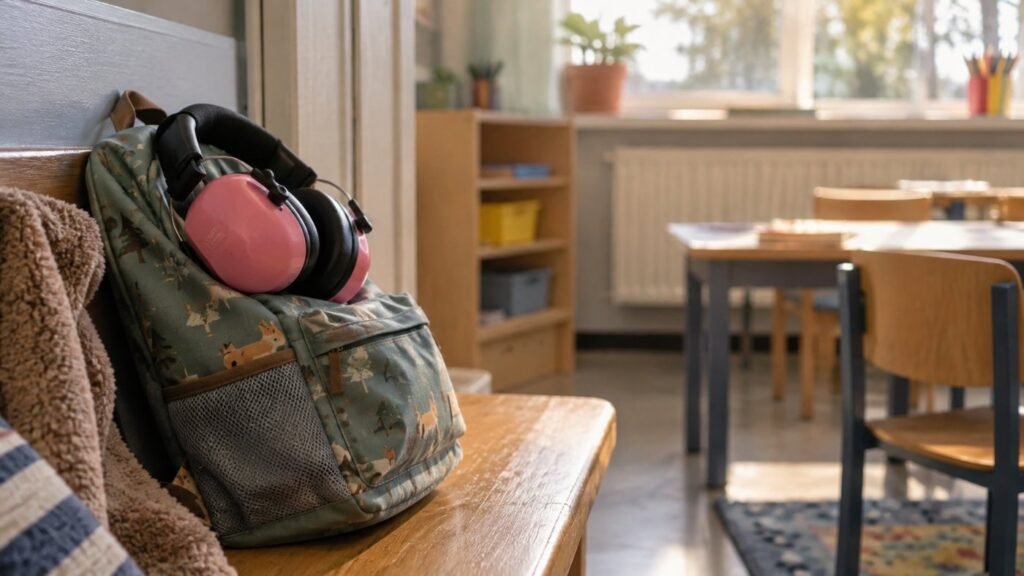
Earmuffs vs Noise Canceling Headphones: What Is the Difference?
| Type | How it works | Best for |
|---|---|---|
| Passive earmuffs | Thick cups and foam block sound. No battery. Rated by NRR or SNR. | Very loud events: fireworks, assemblies, fire drills, concerts |
| Active noise canceling (ANC) headphones | Microphones and electronics reduce steady background noise. Can play music or audio. | Classrooms, travel, homework, calming music |
| Noise-reducing earplugs | Small silicone plugs lower overall volume while keeping speech clearer. | Older kids and teens who want a discreet option |
Tip: NRR (Noise Reduction Rating) is the US rating, and SNR is the European rating. A higher number means more noise is blocked. For headphones that play audio, look for a volume limit around 85 dB to protect hearing.
Quick Picks: Best Noise Canceling Headphones for Autistic Kids
| Category | Our pick | Why |
|---|---|---|
| Best for toddlers and young kids | Banz Kids Earmuffs | Ages 2+, NRR 26 dB, light and foldable |
| Best for school-age kids | Alpine Muffy Kids | Ages 5 to 16, 25 dB SNR, adjustable foam headband |
| Best active noise canceling | PuroQuiet-PLUS | Up to 22 dB ANC, 85 dBA volume limit, long battery |
| Best discreet option for kids | Loop Engage Kids 2 | Small earplugs for ages 6+, keeps speech audible |
| Best for teens | Loop Quiet 2 | Up to 24 dB SNR in a tiny, low-key design |
How We Chose the Best Noise Canceling Headphones for Autistic Kids
- Noise reduction: Published NRR, SNR or ANC ratings.
- Comfort and pressure: Soft cushions, light weight and low clamping force for kids with tactile sensitivity.
- Safety: Volume limits for headphones that play audio.
- Fit and age range: Adjustable headbands and sizes that grow with the child.
- Durability and care: Easy to clean, foldable and backpack-friendly.
Free resource
Sensory Diet Guide
Practical sensory strategies for home, school and everyday life.
The 5 Best Noise Canceling Headphones and Earmuffs for Autistic Kids
1. Banz Kids Hearing Protection Earmuffs (Best for Young Kids)
Best for: Toddlers and young children ages 2+, fireworks, parties, travel
Banz Kids Earmuffs are passive, battery-free earmuffs with an independently tested NRR of 26 dB. They are lightweight, with foam-cushioned ear cups, an adjustable metal-reinforced headband and a foldable design for travel. Because they are passive, there is no active noise canceling pressure, which some sensory-sensitive kids prefer.
| Pros | Cons |
|---|---|
|
|
See Banz Kids Earmuffs on the official site
2. Alpine Muffy Kids (Best for School-Age Kids)
Best for: Ages 5 to 16, school events, concerts, focus at school
Alpine Muffy Kids earmuffs offer 25 dB (SNR) of noise reduction with an adjustable soft headband and multiple layers of comfortable foam. The outer layer is easy to clean, a storage pouch is included, and the brand notes they are CE-certified and ANSI-tested.
| Pros | Cons |
|---|---|
|
|
See Alpine Muffy Kids on the official site
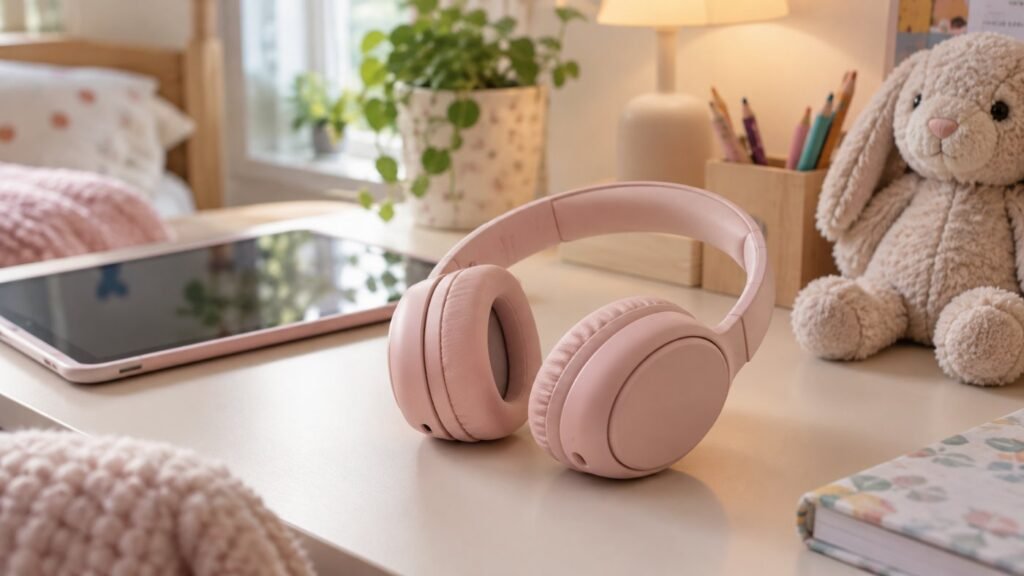
3. PuroQuiet-PLUS (Best Active Noise Canceling)
Best for: Classrooms, travel, homework and kids who calm down with music
PuroQuiet-PLUS headphones use active noise canceling to reduce background noise by up to 22 dB, with volume limited to 85 dBA through built-in sound processing. They connect by Bluetooth, include a limiter cable for wired use and a built-in microphone, and the brand lists up to 23 hours of battery with ANC on. A hard case is included.
| Pros | Cons |
|---|---|
|
|
See PuroQuiet-PLUS on the official site
4. Loop Engage Kids 2 (Best Discreet Option for Kids)
Best for: Kids ages 6+ who dislike headbands, classroom focus
Loop Engage Kids 2 earplugs are designed for smaller ears and reduce noise by 16 dB (SNR) while keeping voices easier to hear. They come with four sizes of silicone ear tips and a keychain case. The brand recommends sessions of about 90 minutes, up to 3 hours a day.
| Pros | Cons |
|---|---|
|
|
See Loop Engage Kids 2 on the official site
5. Loop Quiet 2 (Best for Teens)
Best for: Teens and young adults, sensory overload, study and sleep
Loop Quiet 2 earplugs offer up to 24 dB (SNR) of noise reduction in a soft silicone design with four tip sizes and a carry case. They are a low-key choice for teens who do not want to wear visible earmuffs at school.
| Pros | Cons |
|---|---|
|
|
See Loop Quiet 2 on the official site
Best Noise Canceling Headphones for Autistic Kids: Comparison Table
| Product | Type | Noise reduction | Age | Plays audio |
|---|---|---|---|---|
| Banz Kids Earmuffs | Passive earmuffs | NRR 26 dB | 2+ | No |
| Alpine Muffy Kids | Passive earmuffs | 25 dB SNR | 5 to 16 | No |
| PuroQuiet-PLUS | ANC headphones | Up to 22 dB ANC | Kids and teens | Yes, 85 dBA limit |
| Loop Engage Kids 2 | Earplugs | 16 dB SNR | 6+ | No |
| Loop Quiet 2 | Earplugs | Up to 24 dB SNR | Teens | No |
How to Introduce Headphones: In Class, At Home and in Daily Life
In class: Keep headphones in an easy-to-reach spot and let the student use them without asking each time. Pair them with a calm corner and a plan for fire drills and assemblies.
At home: Practice wearing them during calm, fun moments first, like watching a favorite show. Use them for vacuuming, hair dryers, parties and car trips.
In daily life: Bring them to stores, restaurants, movies, sports events and fireworks. Older kids can choose earplugs for a more discreet look.
The BERMED Headphone Check
- B – Body comfort: Check pressure, weight and heat on the head and ears.
- E – Exposure plan: Know the loud places in the child’s week.
- R – Ready access: Keep headphones where the child can grab them.
- M – Model: Show that adults use hearing protection too.
- E – Encourage choice: Let the child decide when to wear them.
- D – Don’t overuse: Balance protection with quiet breaks and gentle sound exposure in safe settings.
| Do | Avoid |
|---|---|
| Let the child use headphones whenever they need them | Taking them away as a consequence |
| Choose a volume-limited model for audio | Adult headphones with no volume limit |
| Add them to the IEP or 504 plan as an accommodation | Forcing a child to tolerate painful noise |
| Plan for fire drills in advance | Surprise exposure without support |
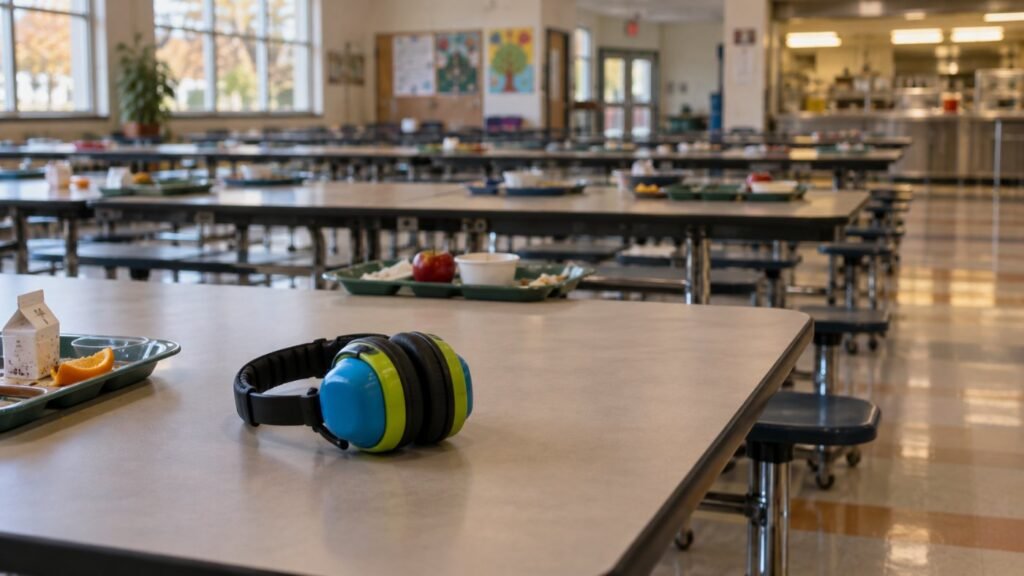
If loud places still lead to big reactions, read meltdown vs tantrum and autistic meltdowns in the classroom. For more sensory tools, see our best sensory gifts for kids and our guide to the best visual timers for kids.
Neuroaffirming tip: Sound sensitivity is real. Headphones do not stop a child from learning to cope. They make it possible to participate. Many autistic adults use hearing protection every day.
What are the best noise canceling headphones for autistic kids?
For loud events, passive earmuffs like Banz Kids Earmuffs or Alpine Muffy Kids work well. For classrooms and music, volume-limited active noise canceling headphones like PuroQuiet-PLUS are a strong choice.
Are earmuffs or noise canceling headphones better for autism?
Earmuffs block more sound from very loud events and need no battery. Noise canceling headphones reduce steady background noise and can play calming audio. Many families use both.
Can autistic kids wear headphones all day?
Headphones can be used whenever a child needs them, but it helps to balance use with quiet breaks and comfortable sound environments. Follow brand guidance for earplugs, which often suggest time limits.
What volume limit is safe for kids headphones?
Look for headphones limited to about 85 dB. Many kids headphones include a built-in limit, and some, like PuroQuiet-PLUS, limit volume to 85 dBA.
Can headphones be an IEP accommodation?
Yes. Noise-reducing headphones are a common accommodation for students with sound sensitivity and can be written into an IEP or 504 plan for classrooms, assemblies and testing.
5 Actions to Take This Week
- List the 3 loudest places or moments in your child’s week.
- Decide if your child needs earmuffs, ANC headphones or earplugs.
- Practice wearing them during a calm, enjoyable activity.
- Share the plan with your child’s teacher and add it to the IEP or 504 plan.
- Ask your child how they feel and adjust the fit or type.
Sources