Every pick is chosen by a special education teacher. We only recommend products we would use in our own classrooms and homes.
Every December, parents ask me the same question: “What can I buy that he will actually use?” The flashy toy on the shelf is often the one that ends up in the closet, because it is too loud, too bright or too hard to play with. The best sensory gifts for kids with special needs are the ones that fit how a child’s body and brain take in the world.
Below are 15 picks sorted by sensory need, from calm and regulation to movement, touch and fine motor play. Each one comes with an honest note on who it suits, and a quick way to find it.
Quick answer: Seekers love swings, crash pads, kinetic sand and chew tools. Avoiders do better with noise-canceling headphones, weighted lap pads, calm lights and predictable toys. For fine motor or attention needs, look at magnetic tiles, fine motor toys and visual timers. Start with how the child reacts to sound, touch and movement, then choose.
Our top sensory gift picks at a glance
Start With the Sensory Profile
Many children, especially autistic children and children with ADHD, process sensory information differently. The National Autistic Society explains that a person can be over-sensitive (hypersensitive) to some input and under-sensitive (hyposensitive) to other input, and that this can change from day to day (National Autistic Society).
| If the child… | They may be a | Look for |
|---|---|---|
| Covers ears, avoids crowds, hates tags | Sensory avoider | Headphones, weighted items, soft lights, quiet toys |
| Spins, crashes, jumps, chews everything | Sensory seeker | Swings, crash pads, body socks, chewy tools |
| Fidgets constantly, loves textures | Tactile seeker | Kinetic sand, fidgets, sensory bins |
| Struggles with transitions and time | Needs predictability | Visual timers, routine toys |
Key point: There is no “best sensory toy” for every child. A swing that calms one child can overwhelm another. Match the gift to the child, not to the label.
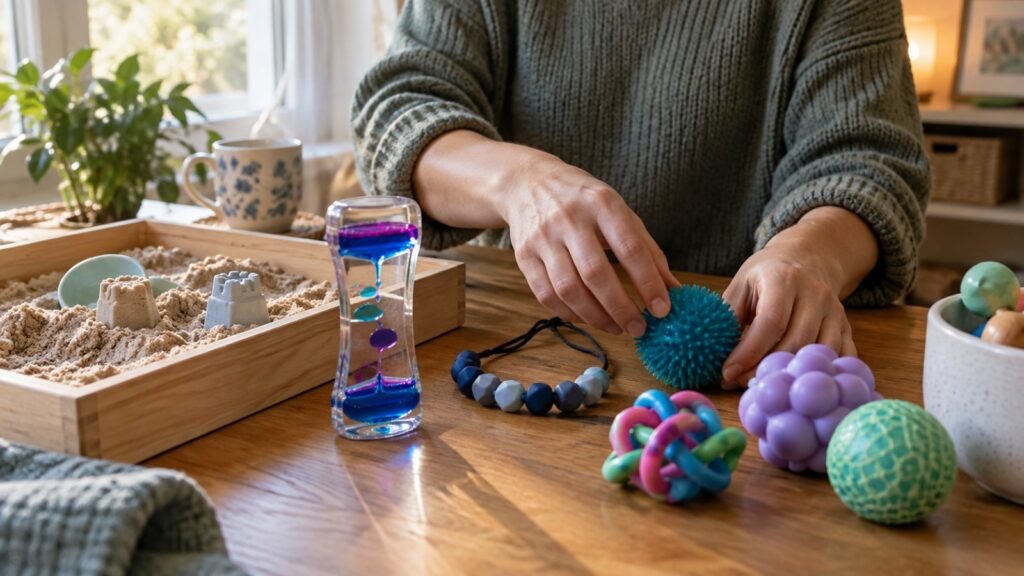
Best sensory gifts for calm and regulation
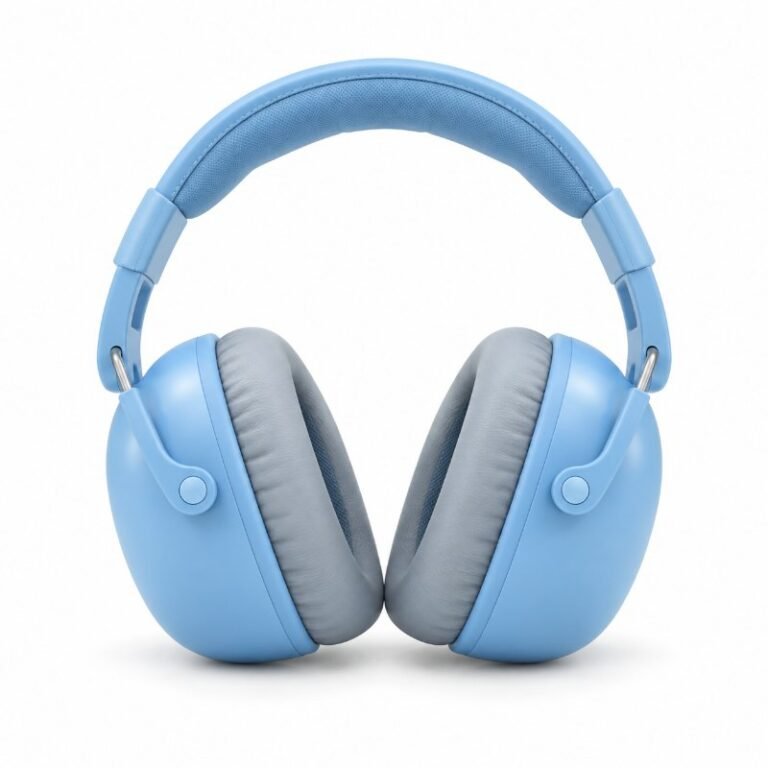
Noise-Canceling Headphones for Kids
Child-size earmuffs cut loud, unpredictable noise and can make holiday gatherings, fireworks and assemblies possible. Pick a soft, adjustable headband sized for children.
Best for: Sound-sensitive kids, crowded places, school assemblies.
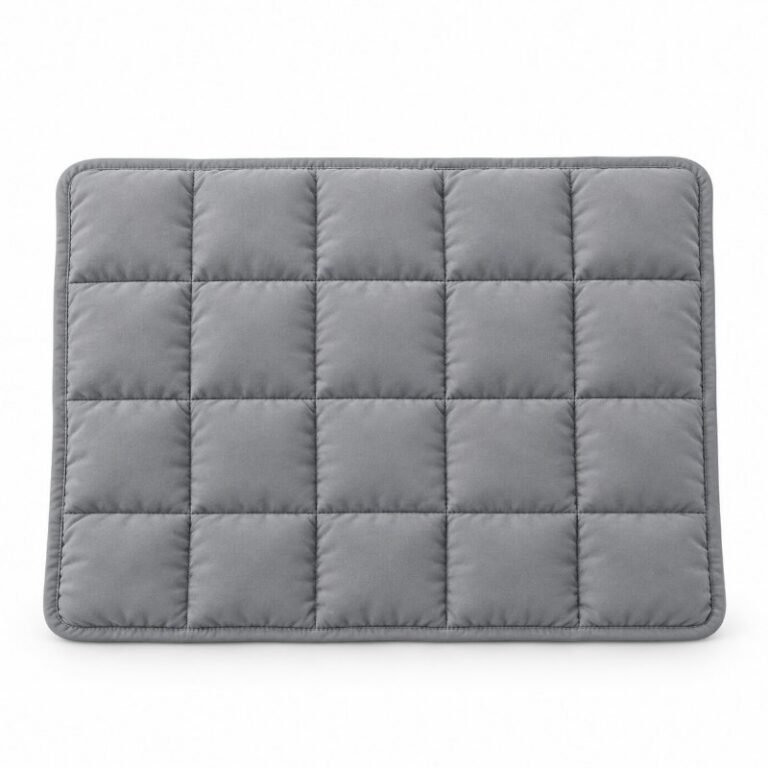
Weighted Lap Pad
A lap pad gives calming deep pressure at a desk, at meals or in the car, without the commitment of a full weighted blanket. Check weight guidance with the child's occupational therapist.
Best for: Kids who calm with pressure during homework or car rides.
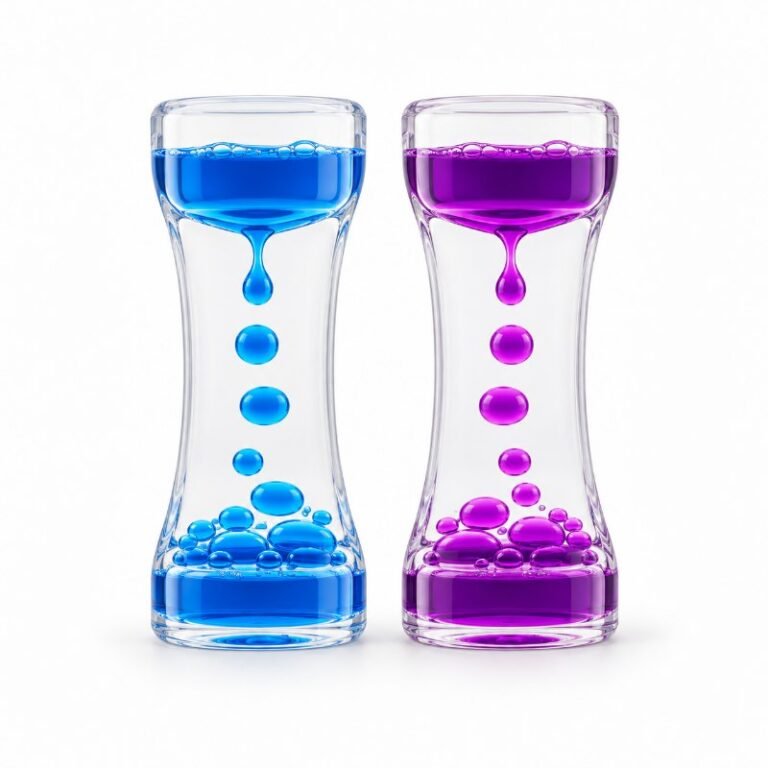
Liquid Motion Bubbler Timers
Colored drops fall slowly and predictably, giving busy eyes something calm to follow. A small, inexpensive addition to any calm-down corner.
Best for: Calm corners, bedtime routines, waiting times.
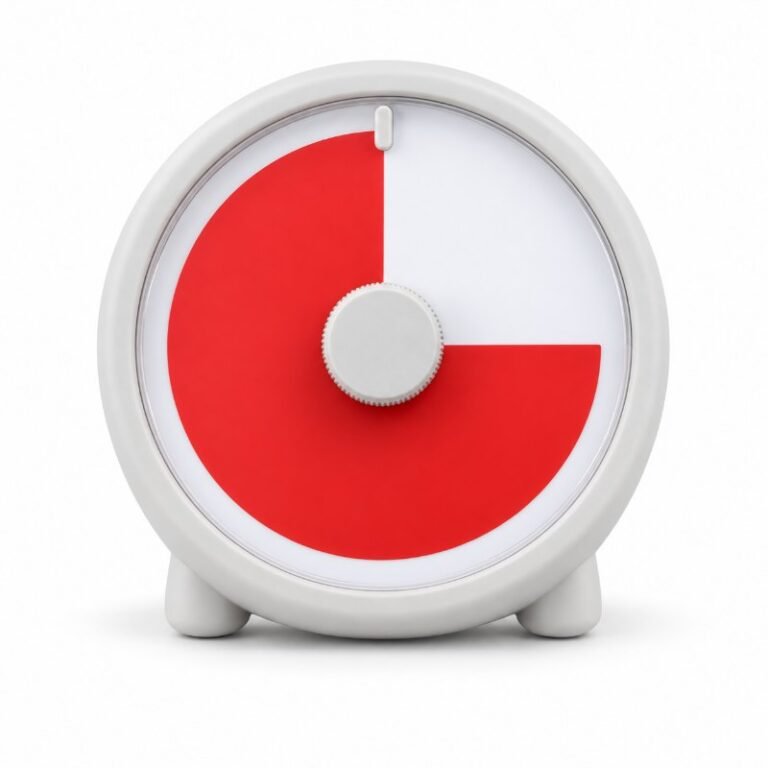
Visual Countdown Timer
A visual timer shows time disappearing, which makes 'five more minutes' concrete and reduces battles at screen time and bedtime.
Best for: Kids who struggle with transitions and waiting.
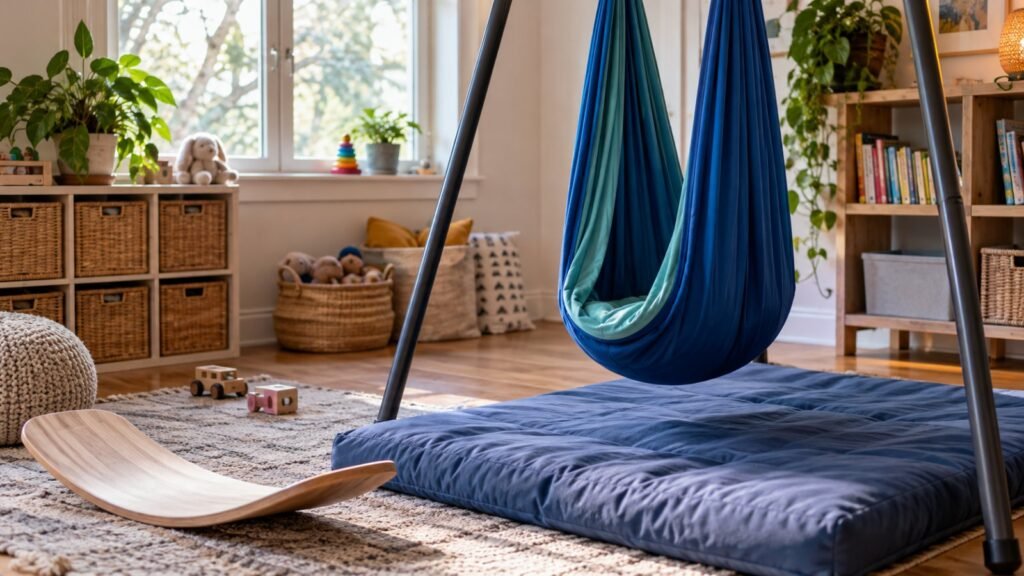
Best sensory gifts for movement seekers
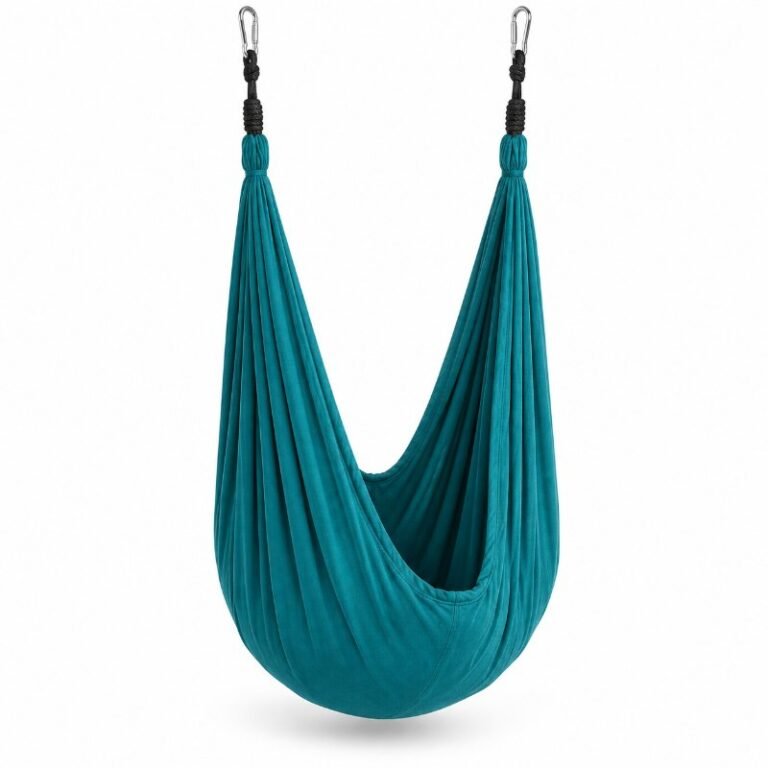
Indoor Sensory Swing
A therapy-style hammock swing gives rhythmic, calming movement and a cozy cocoon to hide in. Plan secure ceiling or frame mounting before you buy.
Best for: Kids who spin, rock and seek movement.
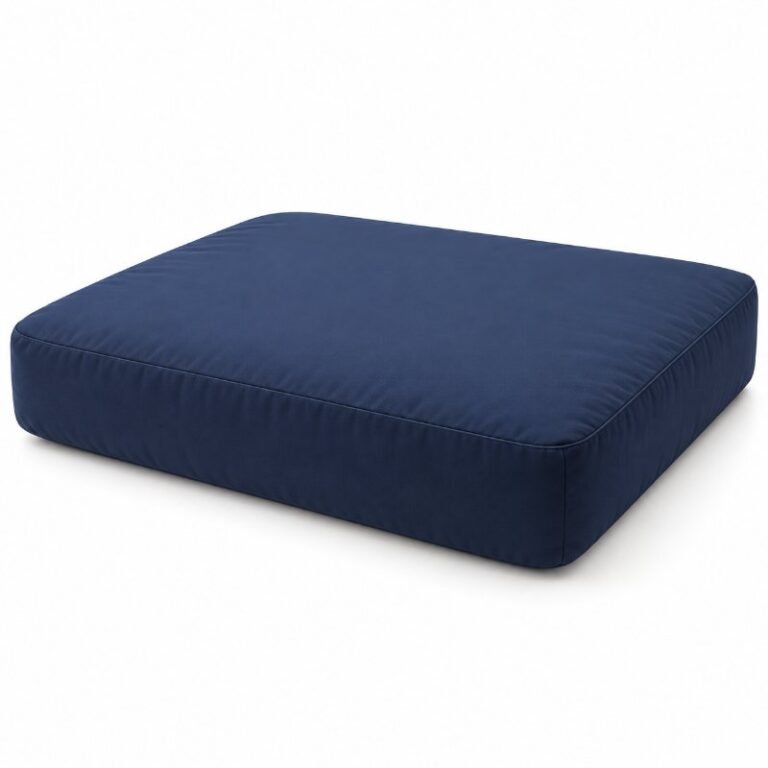
Sensory Crash Pad
A crash pad offers a safe place to jump, roll and crash, which many sensory seekers need to feel regulated. It also makes a great reading nest.
Best for: Kids who jump off furniture and love rough play.
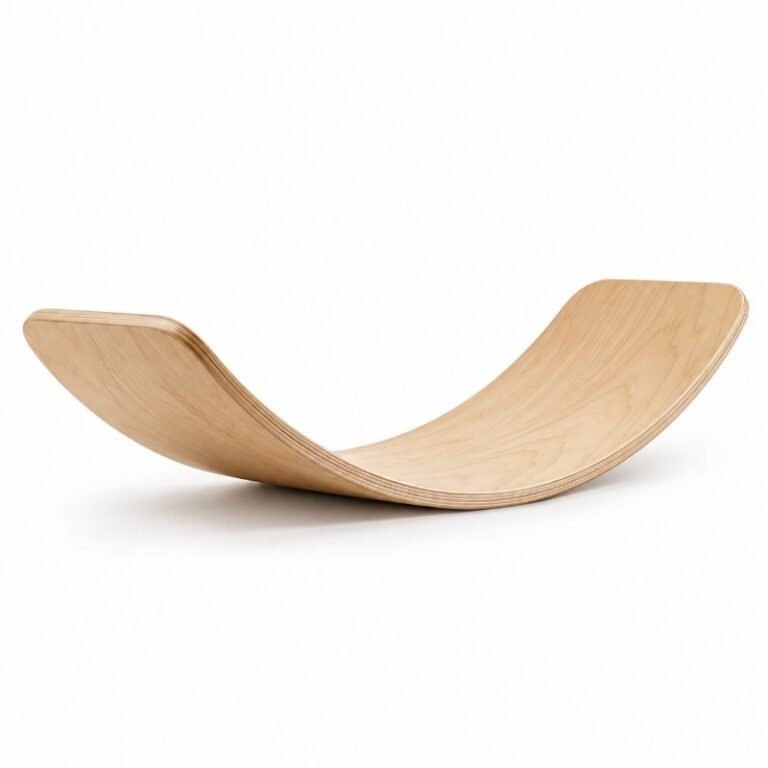
Wooden Balance Board
A curved board becomes a rocker, a bridge or a slide. It builds balance and core strength and adds movement to quiet activities like reading.
Best for: Active kids who need to move while they play.
Sensory Body Sock
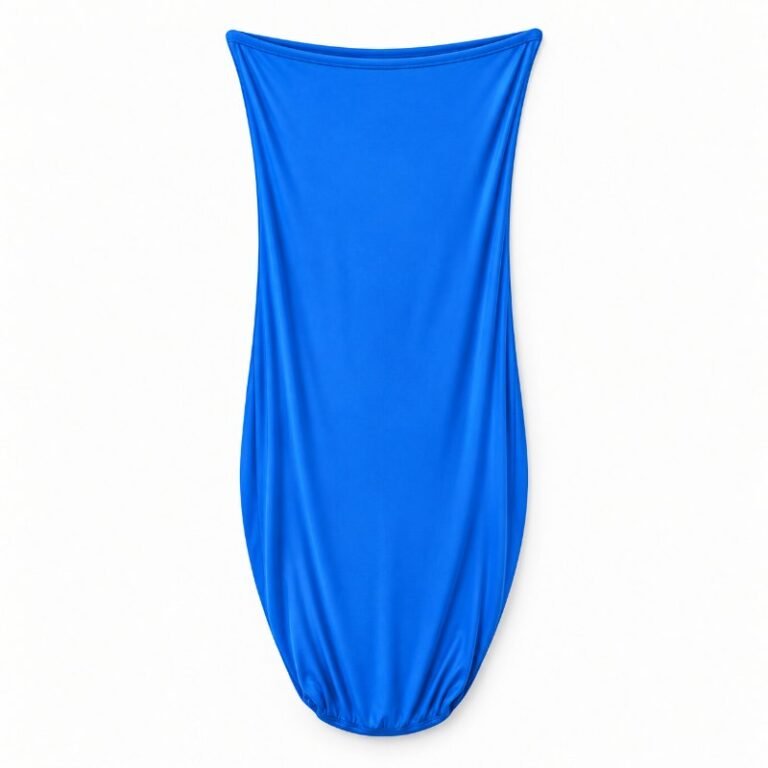
A stretchy lycra sock gives full-body resistance as the child moves inside it. Perfect for indoor movement breaks on rainy days.
Best for: Kids who seek deep pressure and proprioceptive input.
Best sensory gifts for touch and busy hands
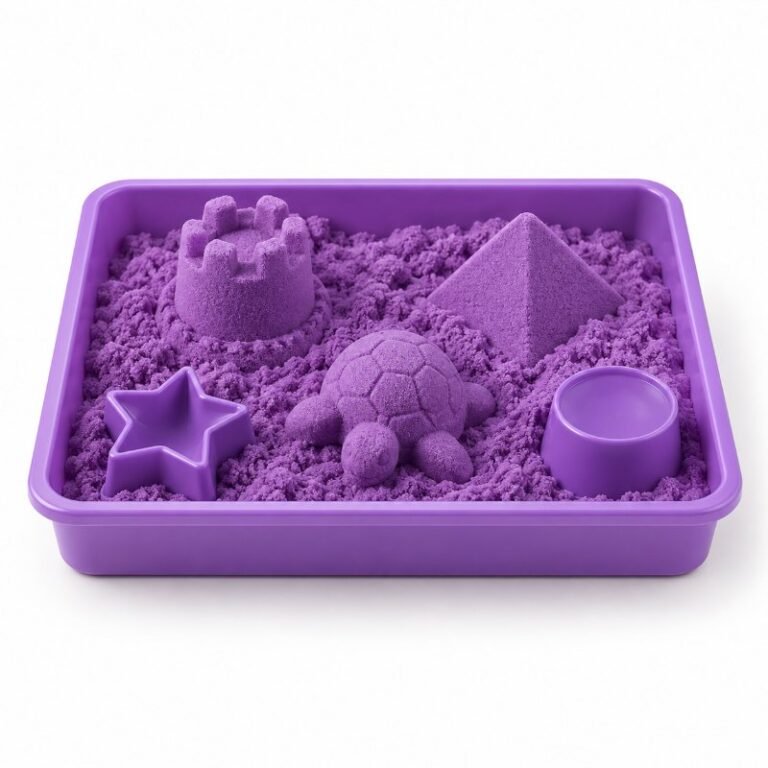
Kinetic Sand Set
Kinetic sand gives satisfying squeezing and molding with less mess than regular sand. A tray with a lid keeps play contained.
Best for: Kids who love to squeeze, mold and pour.
Chewable Sensory Necklace
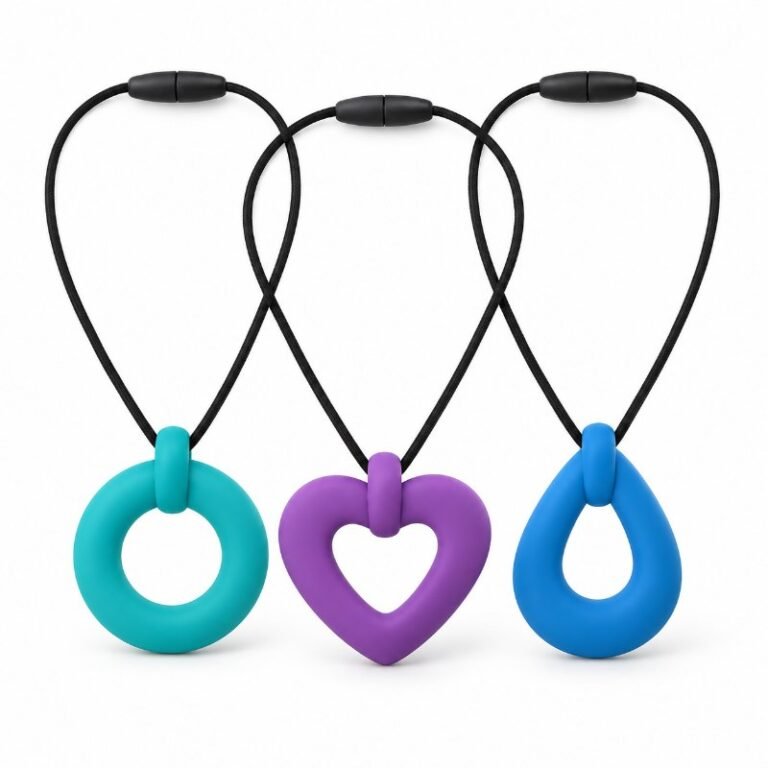
A food-grade silicone chew necklace gives safe oral input for kids who chew shirts, sleeves or pencils. Choose a breakaway clasp and the right firmness.
Best for: Kids who chew clothing or school supplies.
Quiet Fidget Toy Pack
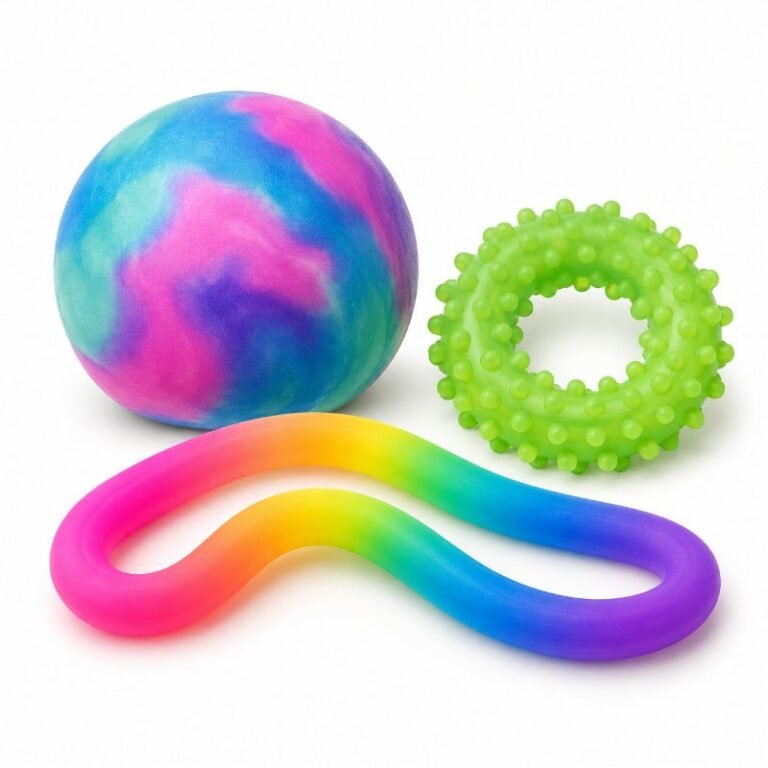
A mixed pack lets the child discover which textures work best: squishy, stretchy or smooth. Quiet fidgets are best for school.
Best for: Kids who need to move their hands to focus.
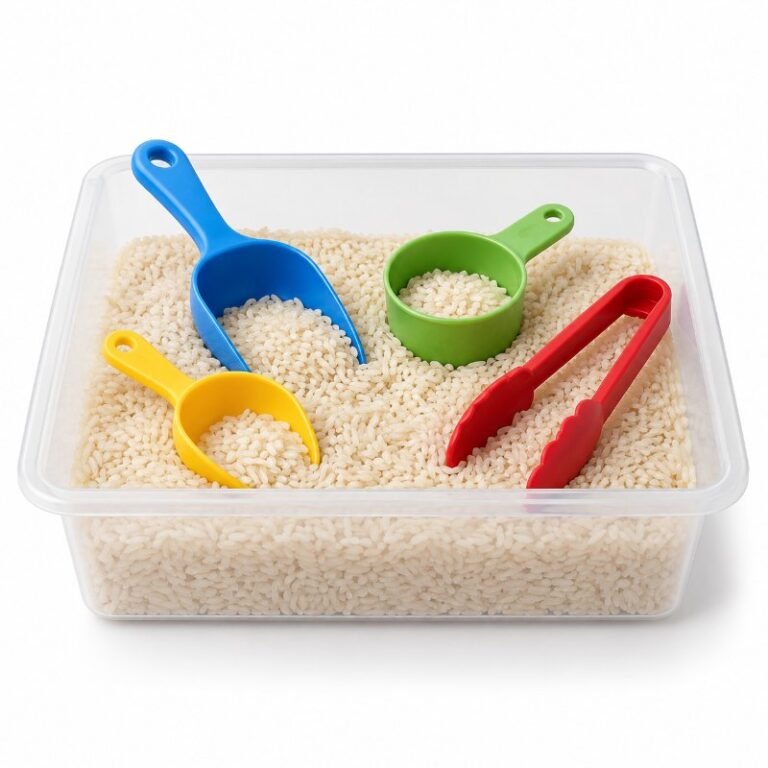
Sensory Bin Kit
A bin with scoops, tongs and filler offers tactile play and fine motor practice in one. Supervise small parts with young children.
Best for: Younger kids who learn through hands-on play.
Best sensory gifts for learning and fine motor
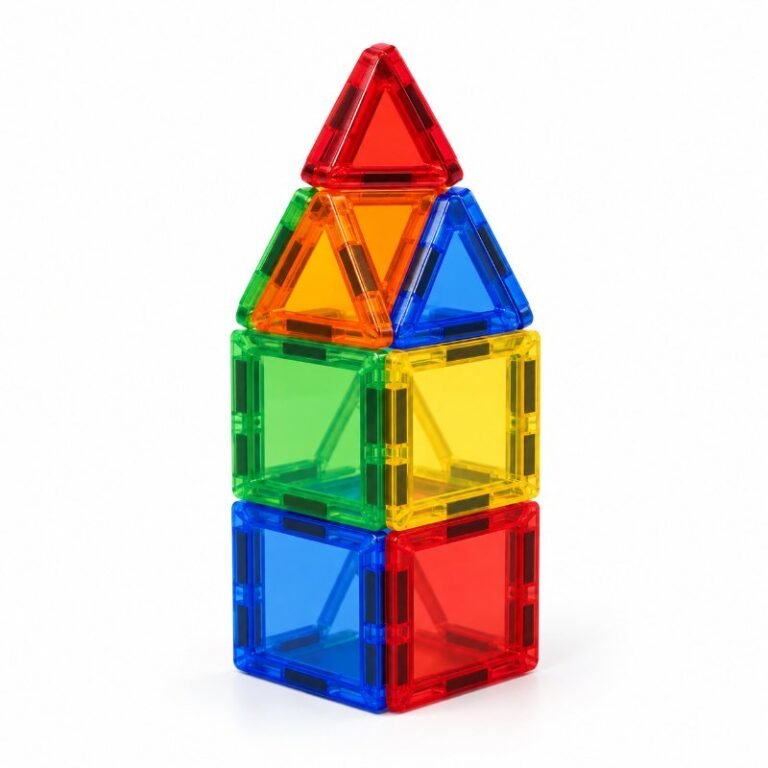
Magnetic Building Tiles
Tiles snap together easily, which reduces frustration for kids with fine motor challenges, and the colors and light make building rewarding.
Best for: Open-ended building and cooperative play.
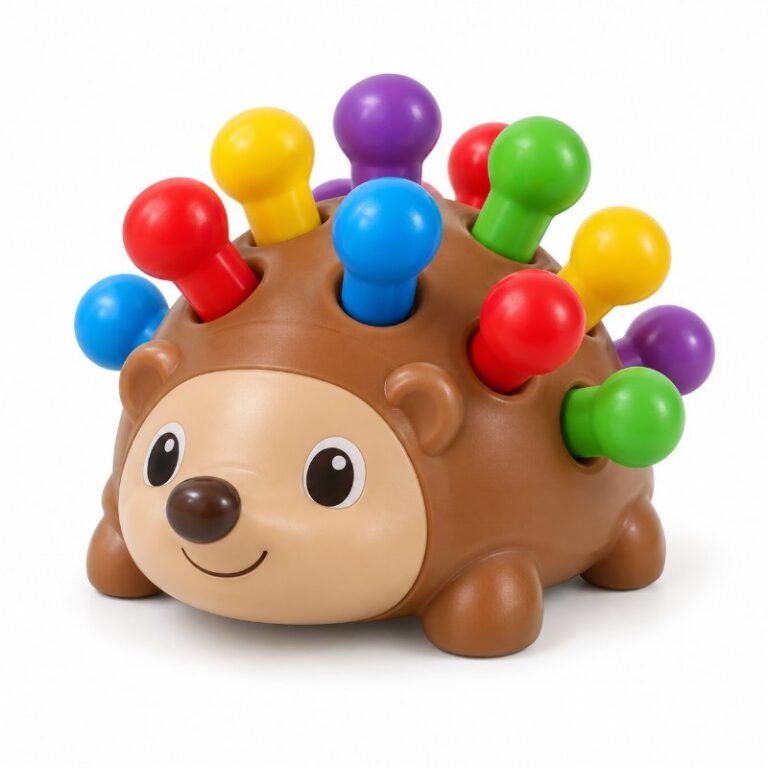
Fine Motor Hedgehog
Pushing chunky quills into a hedgehog base builds hand strength, pincer grasp and color skills. A classic in early intervention classrooms.
Best for: Toddlers and preschoolers working on grasp.
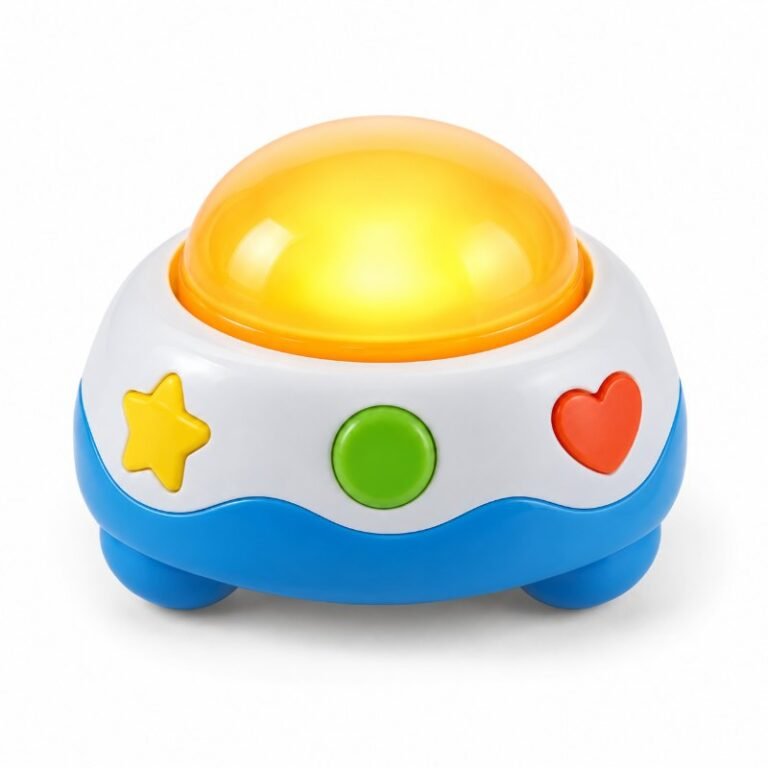
Light-Up Cause-and-Effect Toy
Big buttons that light up or play a short sound reward each action and teach that actions cause results. Choose models with volume control.
Best for: Younger kids or children with complex needs.
Comparison Table: Which Gift for Which Need?
| Gift | Sensory need | Best age | Use at |
|---|---|---|---|
| Noise-canceling headphones | Sound sensitivity | 3+ | Home, school, outings |
| Weighted lap pad | Deep pressure | 4+ | Desk, car, table |
| Liquid motion timer | Visual calming | 3+ | Calm corner |
| Visual timer | Transitions | 3+ | Home, classroom |
| Indoor swing | Vestibular input | 3+ | Home |
| Crash pad | Big body input | 3+ | Home |
| Balance board | Movement, balance | 3+ | Home, classroom |
| Body sock | Proprioception | 4+ | Home |
| Kinetic sand | Tactile | 3+ | Home, classroom |
| Chew necklace | Oral input | 5+ | Everywhere |
| Fidget pack | Hand movement, focus | 5+ | School, homework |
| Sensory bin | Tactile, fine motor | 3+ | Home |
| Magnetic tiles | Visual, building | 3+ | Home, classroom |
| Fine motor hedgehog | Fine motor | 18 months to 5 | Home, early intervention |
| Cause-and-effect toy | Visual, auditory | Varies | Home, classroom |
Ages are general guides. Always check the manufacturer’s age and safety label, especially for small parts and weighted items.
What to Avoid When Buying Sensory Gifts
- Loud toys with no volume control: they can trigger overload in sound-sensitive kids.
- Flashing lights that cannot be turned off.
- Scratchy fabrics and tags for tactile-sensitive children.
- Toys with tiny parts for kids who mouth objects.
- “Therapy” products with big promises but no clear use.
Teacher’s tip: Ask the child’s teacher or occupational therapist what already works in the classroom. Buying the same tool for home builds consistency. The American Occupational Therapy Association explains how OTs help children participate in daily activities, including play (AOTA).
The BERMED Gift Check
- B: Body need. Does it match a seeker or avoider profile?
- E: Easy to use. Can the child use it without frustration?
- R: Risk. Small parts, weight, cords or mounting needs?
- M: Many settings. Can it be used at home, school and outings?
- E: Enjoyment. Does it connect to something the child already loves?
- D: Durable. Will it survive chewing, throwing and daily use?
Looking for more ideas? See our guides to gifts for special needs adults and gifts for SPED teachers.
Best Sensory Gifts for Kids With Special Needs FAQ
What are the best sensory gifts for kids with special needs?
It depends on the sensory profile. Noise-canceling headphones and weighted lap pads suit avoiders. Swings, crash pads and chew tools suit seekers. Kinetic sand and fidgets suit tactile seekers.
What are good toys for children with special needs?
Open-ended, easy-to-use toys such as magnetic tiles, fine motor toys, cause-and-effect toys and sensory bins work well for many children.
What is a good gift for an autistic child?
Something linked to their interests and sensory needs, such as headphones for a sound-sensitive child or a swing for a child who loves movement.
Are weighted products safe for kids?
Weighted lap pads and blankets should be the right weight for the child, easy to remove on their own and used with guidance from an occupational therapist. They are not for infants.
In short: the best sensory gifts for kids with special needs are the ones that fit the child’s body, interests and daily life. Start with the sensory profile, use the BERMED gift check, and your gift is far more likely to be loved and used.
Related reading:
Sources
- National Autistic Society: Sensory processing
- American Occupational Therapy Association: What is occupational therapy?
Product links go to Amazon search results so you can compare current options and prices. This guide is educational and does not replace advice from your child’s therapist.