Twice exceptional learners, often called 2e learners, are among the most misunderstood students in education. These are children who are both gifted and have a disability such as ADHD, autism, dyslexia, or another learning difference.
This guide provides a clear, practical, and research-informed overview to help you understand, identify, and support twice exceptional learners effectively.
🧠 What Does “Twice Exceptional” Mean?
A twice exceptional learner is a student who demonstrates:
- High intellectual ability or giftedness
- At least one learning, developmental, or emotional challenge
These dual characteristics can mask each other, making identification difficult.
According to the National Association for Gifted Children, twice exceptional students require both gifted education and specialized support services to thrive.
⚖️ The Unique Profile of 2e Learners


4
Twice exceptional learners often show a complex and uneven profile:
Strengths
- Advanced vocabulary or reasoning
- Creative thinking and problem-solving
- Strong curiosity and deep interests
- High potential in specific areas (math, art, science)
Challenges
- Difficulty with reading, writing, or organization
- Attention regulation issues
- Emotional sensitivity or anxiety
- Inconsistent academic performance
🔍 Common Types of Twice Exceptionality
1. Gifted + ADHD
- High creativity and energy
- Difficulty with focus, impulsivity
2. Gifted + Autism
- Deep knowledge in specific interests
- Social communication challenges
3. Gifted + Dyslexia
- Strong verbal reasoning
- Struggles with reading and spelling
4. Gifted + Anxiety or Emotional Needs
- Perfectionism
- Fear of failure and avoidance behaviors
The Understood.org provides accessible explanations of how these profiles appear in real-life classrooms.
⚠️ Why 2e Learners Are Often Misunderstood
Many twice exceptional students are:
- Seen as lazy or unmotivated
- Misidentified as only “gifted” or only “struggling”
- Overlooked because their strengths compensate for weaknesses
This leads to:
- Frustration
- Low self-esteem
- Underachievement
🧩 Signs You Might Be Working with a 2e Learner
Look for these patterns:
- Strong ideas but weak written output
- Advanced thinking with basic skill gaps
- Intense interests but inconsistent performance
- High sensitivity to criticism
🔗 Learn more about identification:
🏫 Effective Strategies for Supporting 2e Students
🎯 1. Strength-Based Approach
Focus on what the student does well while supporting areas of need.
- Allow choice-based projects
- Encourage creativity and deep exploration
🧠 2. Differentiated Instruction
Adapt teaching methods to meet both strengths and challenges.
- Use visual supports
- Break tasks into manageable steps
- Provide alternative ways to show understanding
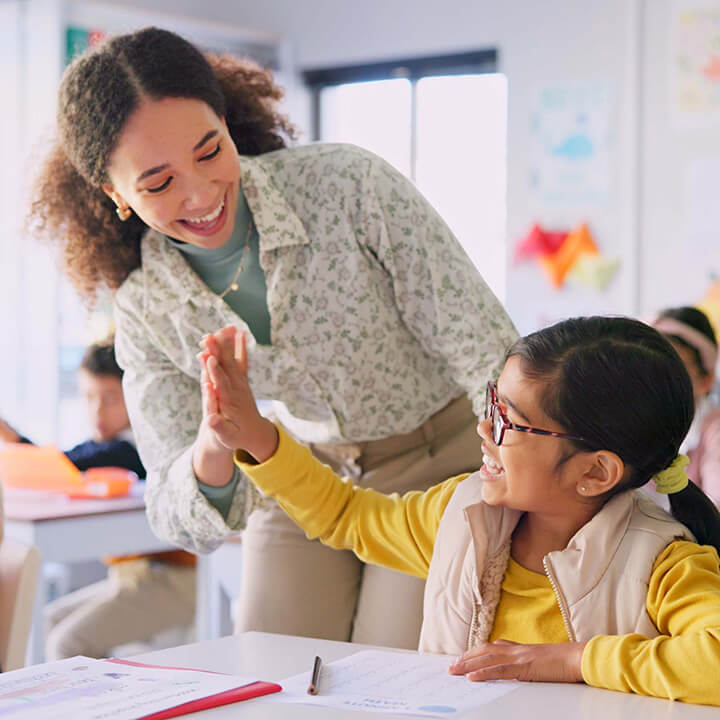
🧘 3. Emotional Support Matters


4
2e learners often experience:
- Anxiety
- Perfectionism
- Emotional overload
Support strategies:
- Teach self-regulation skills
- Normalize mistakes
- Create safe, low-pressure environments
📋 4. Use Accommodations Without Limiting Potential
Examples:
- Extra time on tasks
- Assistive technology
- Reduced writing load
- Flexible assessment formats
The Council for Exceptional Children emphasizes the importance of combining high expectations with appropriate supports.
🧑🏫 Classroom Tips for Teachers
- Avoid labeling the student as “inconsistent”
- Look beyond grades to understand ability
- Collaborate with specialists and families
- Provide both challenge and support
👨👩👧 Tips for Parents
- Advocate for both gifted and special education services
- Celebrate strengths regularly
- Help build coping and organization skills
- Avoid comparing your child to others
More on Twice Exceptional Learners
- Types of learning disabilities
- Dyslexia support guide
- Executive function explained
- Accommodation cheat sheet for special education
Trusted outside sources: International Dyslexia Association: Dyslexia basics and U.S. Department of Education: IDEA.
🌟 Final Thoughts
Twice exceptional learners are not “contradictions.” They are complex, capable, and full of potential.
When educators and parents understand their dual needs, 2e students can:
- Thrive academically
- Build strong self-confidence
- Develop their unique talents