
Quick answer: Epilepsy at school requires two things: a seizure action plan so staff know exactly what to do, and attention to how epilepsy and its medications affect learning, memory, energy and mood. Seizure first aid follows three steps: Stay, Safe, Side. Call 911 if a seizure lasts 5 minutes or longer, if seizures repeat without recovery, or if breathing is a problem. About 470,000 U.S. children have active epilepsy, and many qualify for a 504 plan or an IEP.
In this guide
A seizure in class can be frightening for everyone. But most seizures stop on their own, and calm, trained staff make the biggest difference. Epilepsy at school is also about the days between seizures: memory, fatigue and medication side effects can quietly affect learning.

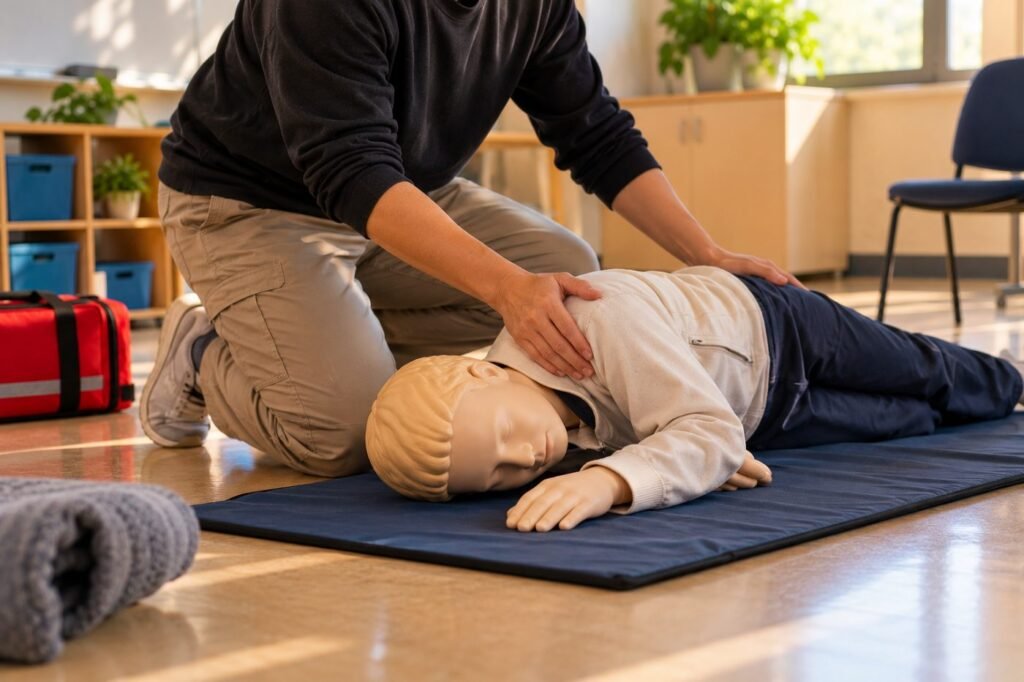
Seizure First Aid: Stay, Safe, Side
The 3 S’s of seizure first aid
| Never | Call 911 if |
|---|---|
| Put anything in the mouth | The seizure lasts 5 minutes or longer |
| Hold the person down | Seizures repeat without waking in between |
| Give food or drink until fully awake | Breathing is difficult, it happened in water, or it is a first seizure |
These steps follow seizure first aid guidance shared by Michigan Medicine (Michigan Medicine).
Key point: Time every seizure. Five minutes is the emergency threshold unless the student’s plan says otherwise.
The Seizure Action Plan
- What the student’s typical seizures look like.
- Possible triggers (missed sleep, illness, missed medication).
- Rescue medication: when and how to give it, and who is trained.
- When to call 911 and the family.
- What the student needs after a seizure (rest, nurse, going home).
- Emergency contacts and physician information.
The plan should be shared with every adult who works with the student, including bus drivers, coaches and substitutes.
Epilepsy and Learning
Hidden effects on school
About 470,000 U.S. children had active epilepsy in 2015, according to the CDC (CDC).
504 and IEP Supports for Epilepsy at School
| Need | Possible supports |
|---|---|
| Safety | Seizure action plan, trained staff, supervised swimming and lab work |
| Memory and attention | Written instructions, class notes, check-ins after possible absence seizures |
| Fatigue | Rest after seizures, flexible deadlines, reduced homework when needed |
| Absences | Make-up plan, access to materials online |
| Testing | Extra time, breaks, rescheduling after a seizure |
Parent email
“Attached is Mia’s updated seizure action plan from her neurologist. Could we schedule a short training for her teachers and bus driver, and add rest after seizures and a make-up work plan to her 504 plan?”

Real-Life Example
Case story
Mia, 8, has absence seizures that last a few seconds many times a day. Her teacher thought she was daydreaming. After her diagnosis, the team added written directions, a buddy to help her catch up after a missed instruction, and a seizure action plan. Her reading scores improved once staff understood that “zoning out” was a seizure, not inattention.
Did you know? Epilepsy is often covered under Other Health Impairment for an IEP. Compare options in IEP vs 504.
Epilepsy at School FAQ
What should a teacher do during a seizure?
Stay, keep the student safe, turn them on their side if not awake, time it and follow the action plan.
When should staff call 911?
If a seizure lasts 5 minutes or longer, seizures repeat, breathing is difficult, or it is a first seizure.
Does epilepsy qualify for a 504 plan?
Often yes, because it can substantially limit learning, concentration or other major life activities.
What is a seizure action plan?
A written plan describing the student’s seizures, first aid, rescue medication and emergency steps.
Can epilepsy affect memory?
Yes. Seizures and some medications can affect memory, attention and processing speed.
In short: Epilepsy at school needs a clear seizure action plan, trained staff and support for the hidden learning effects. This article is part of our Disabilities Less Covered series.
Was this article helpful?
Tap a star to rate
Sources
- Michigan Medicine. What school staff should know about seizure first aid
- CDC (2017). More Americans have epilepsy than ever before
- Alaska Department of Health. Seizure Action Plan template
This article is educational and does not replace medical advice.

