
Quick answer: Late talkers are toddlers who use fewer words than expected, usually fewer than 50 words or no two-word phrases by 24 months, while other areas of development are on track. About 10% to 20% of 2-year-olds are late talkers. ASHA reports that 50% to 70% catch up by late preschool or school age, but some continue to have language difficulties. Strong understanding, gestures and play are good signs, and parent coaching is one of the most effective supports.
In this guide
“Einstein talked late.” “Boys are slower.” Parents of late talkers hear these lines constantly. Some late talkers do catch up on their own, but no one can predict which ones. Here is what research really says about late talkers and how to help now.

What Is a Late Talker?
Speech-language pathologists call it late language emergence: a delay in starting to talk, without another diagnosed disability (ASHA). A child may have an expressive delay only, or delays in both understanding and talking.
| Fact | What research shows |
|---|---|
| How common | About 10% to 20% of 2-year-olds |
| Boys vs girls | Boys about three times more likely |
| Typical criterion | Fewer than 50 words and no two-word combinations at 24 months |
| Outcomes | 50% to 70% catch up by late preschool or school age |
Key point: Most late talkers do well, but 30% to 50% may not fully catch up. That is why support, not waiting, is the safer choice.
Will My Late Talker Catch Up?
Signs that predict a better outcome
ASHA notes that even children who reach normal ranges by kindergarten may score lower than peers on language tasks (ASHA). Read about expressive vs receptive language delay.

How to Help a Late Talker
| Strategy | What it looks like |
|---|---|
| Observe, wait, listen | Follow your child’s lead and wait up to 10 seconds |
| Model | Say short words for what your child is doing: “ball,” “roll ball” |
| Expand | Child says “car,” you say “big car” or “car go” |
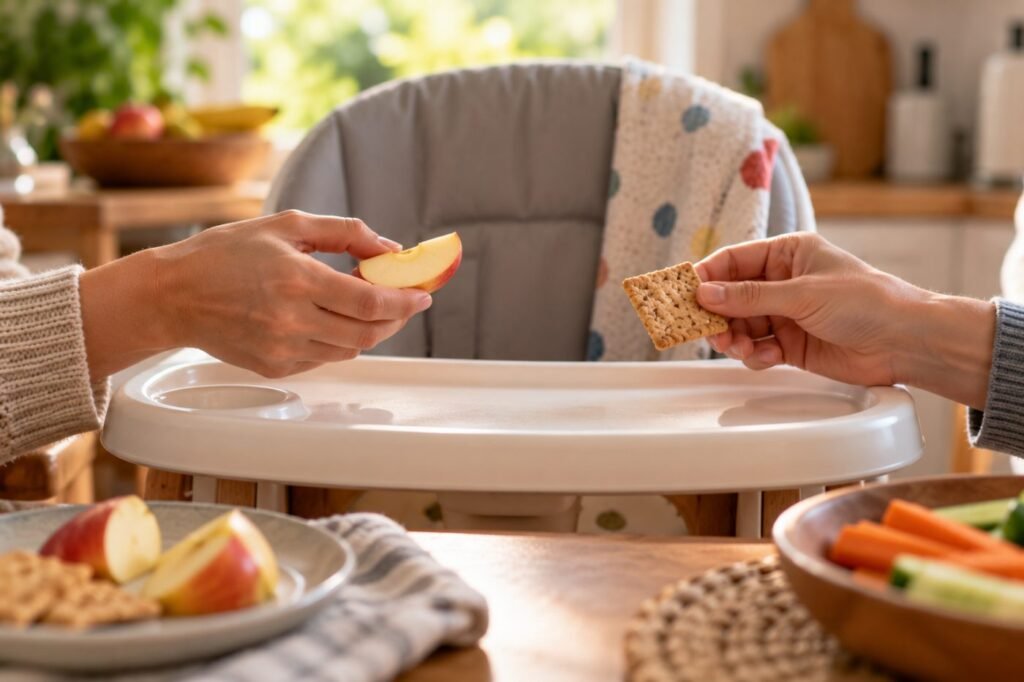
| Offer choices | “Apple or banana?” while holding both |
| Share books | Point, name, pause and let your child fill in |
The waiting strategy known as OWL (Observe, Wait, Listen) is taught in the Hanen parent program (Hanen). ASHA describes parent-delivered strategies such as responding, modeling and expanding as a common approach for late talkers. Get 15 daily activities in speech therapy at home.
Mini-script during play
Child rolls a car. Parent waits. Child looks up. Parent: “Go! Car go!” Child: “Go.” Parent: “Yes, car go fast!”
What to Keep Watching
- New words every week or two.
- First two-word phrases by 24 to 30 months.
- Understanding of new words and simple directions.
- Social engagement: pointing, showing, sharing.
- Recheck at 30 and 36 months, even if words increase.
Real-Life Example
Case story
Leo, 24 months, used 20 words but understood everything his parents said and loved pretend play. His early intervention team coached his parents in modeling and expanding during bath time and meals. At 30 months he used over 200 words. At age 4, a follow-up showed language within the typical range.
Related: See speech delay in toddlers and early intervention services.
Late Talkers FAQ
Do most late talkers catch up?
ASHA reports 50% to 70% catch up by late preschool or school age.
Are late talkers less intelligent?
No. Late talking alone says nothing about intelligence.
Should a late talker get speech therapy?
An evaluation helps decide; parent coaching is often enough for children with good understanding.
Can sign language slow talking?
No. Signs and gestures support language and often lead to more words.
When is a late talker too old to wait?
If no word combinations by 30 months, seek a full evaluation.
In short: Late talkers often catch up, but support is safer than waiting. Focus on understanding, gestures and daily talk-rich play. This article is part of our Speech Delay series.
Was this article helpful?
Tap a star to rate
Sources
- ASHA Practice Portal. Late Language Emergence
- The Hanen Centre. Waiting: The Key to Supporting Your Child’s Communication
- NIDCD. Speech and Language Developmental Milestones
This article is educational and does not replace medical or professional advice.

